
Understanding Autism Spectrum Disorder and Designing Spaces That Support It
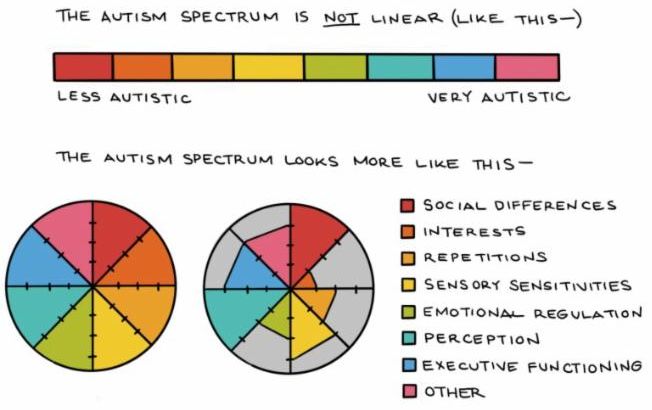
Autism spectrum disorder (ASD) is often described in broad terms, but in practice it represents a wide range of experiences, sensitivities and strengths. Autism used to be divided into 5 sub-types, but in 2013 they were merged and the phrase “spectrum” was added to the diagnosis.
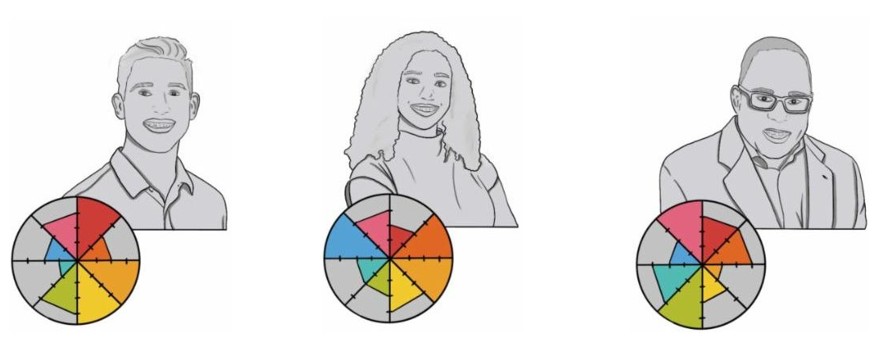
There aren’t many ways autism manifests physically, meaning it’s rare to identify autism based on outward appearance alone. Autism can look like…
For designers, clinicians, and facility leaders, this variability makes one thing clear: environments must be flexible, predictable and supportive of different sensory and behavioral needs. Through the thoughtful use of furniture and spatial planning, facilities can create sensory-informed spaces that play a meaningful role in reducing stress, improving engagement and supporting positive outcomes.
What Makes Autism a “Spectrum”?
ASD is characterized by differences in how individuals process sensory input, communicate and interact with their surroundings. No two people experience it the same way, but there are several common considerations that influence how environments should be designed:
1. Sensory Sensitivities
Many individuals with ASD experience either heightened or reduced sensitivity to stimuli such as light, sound, touch and movement.
- Bright lighting, loud environments or busy patterns can feel overwhelming
- Certain textures or materials may be uncomfortable
- Movement (such as a rocking motion) can be calming and regulating
2. A Need for Predictability
Consistency and routine can often help reduce anxiety. Spaces that are clear, structured and easy to understand can support a greater sense of control.
3. Desire for Personal Space
Crowded environments or unclear boundaries can increase stress. Providing defined personal space helps individuals feel more comfortable and secure.
4. Self-Regulation & Movement
Some individuals benefit from controlled movement or sensory input (like rocking or deep pressure) to self-regulate emotions and behaviors.
Using Appropriate Verbiage and Inclusive Language
Just as environments should be thoughtfully designed to support individuals with ASD, so should the language we use to describe them. It’s important to recognize that inclusive language is constantly evolving, making it difficult to always be “correct”.
You may be surprised to learn that it’s not appropriate to refer to someone with ASD as “a person with special needs”. People often use the phrase “special needs” because of the desire to be polite, rather than saying “disabled”, but this infers that the disability is something shameful or negative. Instead, it’s recommended to use the phrase “person with a disability” or “person with [type of impairment]”
Here are a few more examples:
Do say: Person without a disability
Don’t say: Normal person
Do say: Person who uses a communication device
Don’t say: Non-verbal
The most important takeaway is to understand that inclusive verbiage is subject to change. It’s okay to not use the “politically correct” phrase, as long as you’re making an effort and are willing to accept correction with grace. We’re all learning!
Designing for the Individual, Designing for All
Designing for autism isn’t about creating one-size-fits-all solutions. It’s about recognizing diversity in how people experience the world and creating environments that respond with empathy, flexibility and intention.
When spaces are designed to reduce stress, support self-regulation and promote dignity, the benefits extend far beyond individuals with ASD. They improve outcomes for staff, enhance safety and create environments where everyone can feel comfortable and supported. At its core, sensory-informed design is about meeting people where they are and creating spaces that help them move forward.